If you are starting from zero, a beginner skincare routine should be exactly three steps at night: a gentle cleanser, a hydrating toner or essence, and a moisturizer. That is the entire base. Add nothing else until your skin looks calm and even for at least a month, because actives only work on a barrier that is already stable.
Why three steps
Why is a 3-step PM routine enough for beginners?
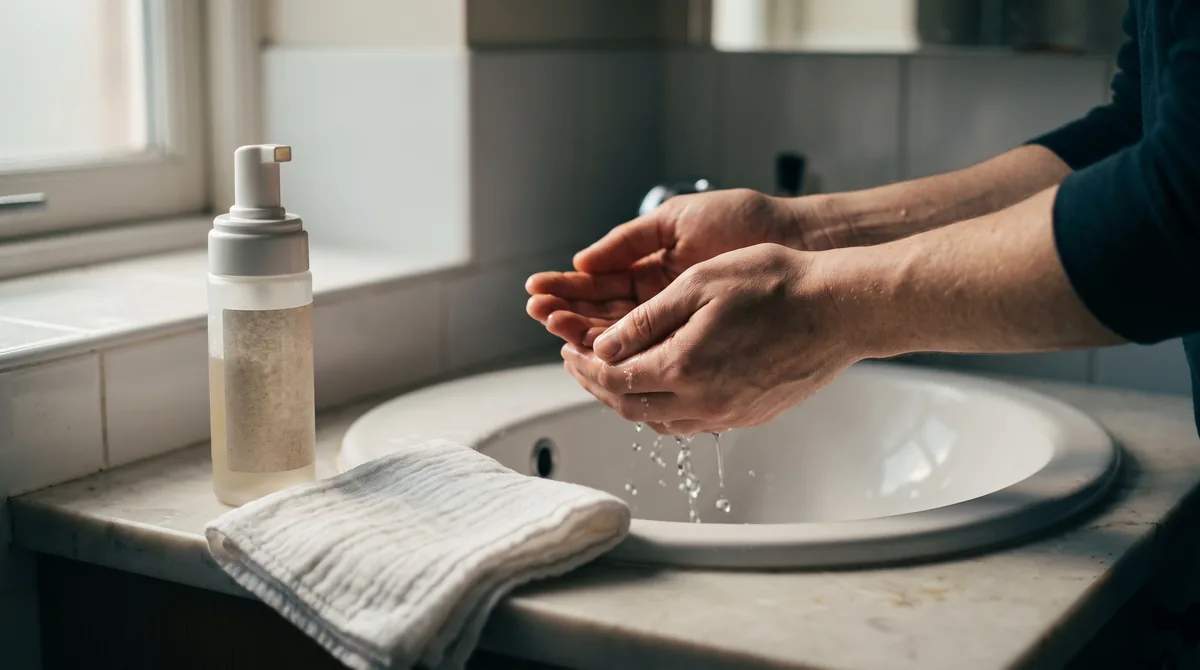
Three steps cover everything a healthy face actually needs at night: remove the day, add water, seal it in. Anything past that is optimization, not necessity.
Your skin barrier is a thin lipid layer that holds water in and irritants out. Overloading it with five serums in the first week is the fastest way to trigger redness and breakouts. Korean skincare is famous for long routines, but every K-beauty dermatologist I follow tells beginners the same thing: master the base first.
Give this base 4-6 weeks. If your skin is calm, comfortable, and no longer tight after cleansing, you have earned the right to layer in one active at a time.
The cleanse step
What kind of cleanser should a beginner use at night?
A low-pH gel or cream cleanser, around pH 5.5, is the safest starting point for almost every skin type. Skip anything that squeaks, foams aggressively, or lists sulfates (SLS, SLES) in the first five ingredients.
Two well-documented Korean options are worth naming. COSRX Low pH Good Morning Gel Cleanser (150 ml, around $12) uses tea tree oil and BHA at a very low concentration — gentle enough for daily use. Beauty of Joseon Red Bean Refreshing Cleanser (100 ml, around $16) is a mild cream-to-foam with a slightly richer feel for normal-to-dry skin.
If you wore sunscreen or makeup, do a quick oil cleanse first (double cleansing). If you did neither, one wash is enough — over-cleansing is a real cause of dryness that beginners often misdiagnose as “dehydrated skin.”
The hydrate step
How do you add hydration without overloading skin?
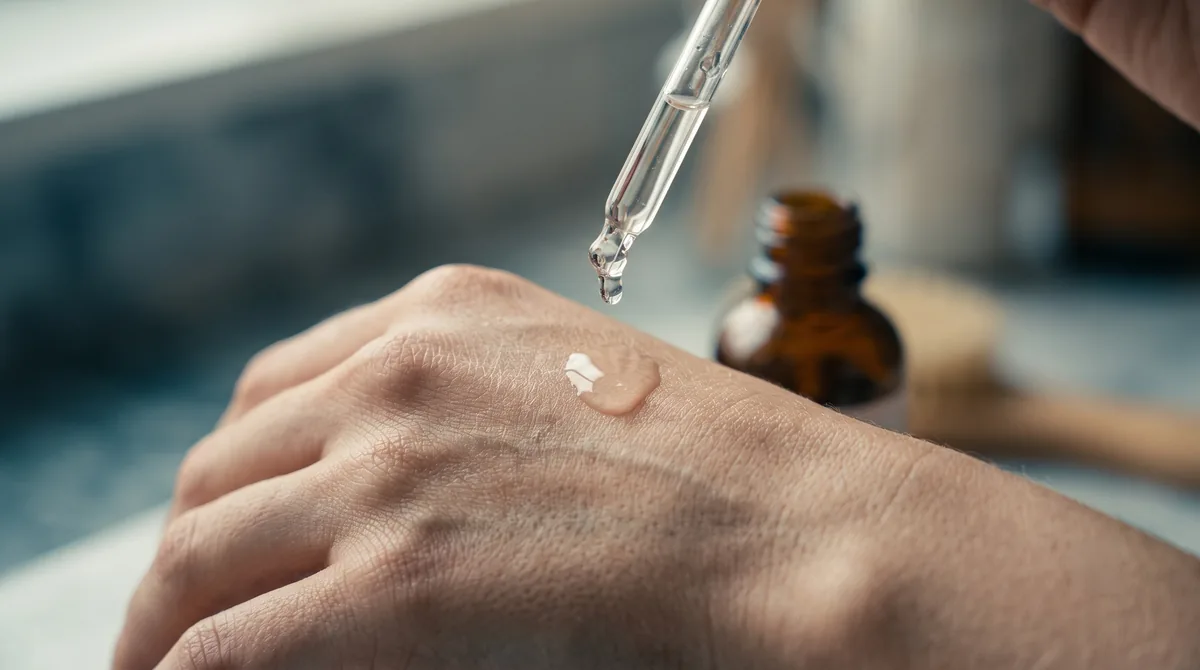
Pat one hydrating layer onto damp skin within 30 seconds of cleansing. That is it — no seven skins, no ten layers.
Look for humectants at the top of the ingredient list: glycerin, sodium hyaluronate, panthenol, betaine, or fermented extracts. These pull water into the upper skin layers. A classic beginner-friendly pick is Pyunkang Yul Essence Toner (200 ml, around $22), where coptis japonica root extract leads a very short INCI list — no fragrance, no essential oils.
| Product type | What it does | Best for beginners? |
|---|---|---|
| Hydrating toner | Adds a thin water layer, preps skin | Yes — start here |
| Essence | Slightly thicker humectant layer | Optional, pick one |
| Ampoule / serum | Concentrated actives | Skip for now |
| Sheet mask | Occasional hydration boost | Fine 1-2x a week |
Pick one from the first two rows. Not both.
The moisturize step
What moisturizer locks a beginner routine in place?
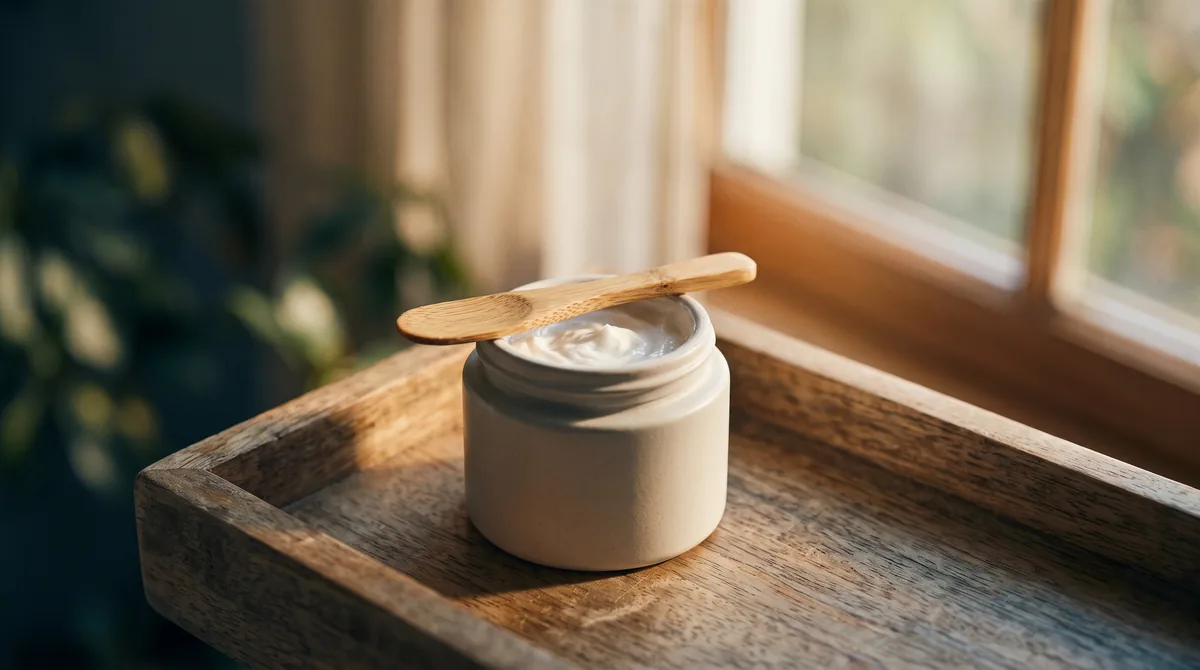
A simple ceramide or squalane moisturizer — nothing labeled “anti-aging,” “brightening,” or “firming” yet. Its job is to seal in the hydration you just applied and support the barrier overnight.
Illiyoon Ceramide Ato Concentrate Cream (200 ml, around $18) is a fragrance-free classic with ceramide NP high in the INCI list. For oily or combination skin, Klairs Rich Moist Foaming Facial Wash’s sister product, the Midnight Blue Calming Cream (30 ml, around $23), is lighter and includes guaiazulene for redness. Both are widely reviewed on brand pages and by independent K-beauty publications like Soko Glam’s ingredient guides.
Warm a coin-sized amount between your palms and press it in. Do not rub. If your skin still feels tight after ten minutes, add a second thin layer instead of switching to a heavier cream.
When to add more
When should you actually start using actives?
Wait until you have completed four to six weeks of the three-step base with no redness, stinging, or new breakouts. Then introduce one active — retinol, azelaic acid, or vitamin C — at low strength, two nights a week.
The most common beginner mistake is starting retinol and vitamin C in the same month. Your skin cannot tell you which one caused the irritation, and you will quit both. Add one, wait a full cycle (about 28 days), then evaluate.
An honest limit: if you have active acne, rosacea, or eczema, this base routine is a starting point, not a treatment. See a dermatologist before adding anything — this content is educational, not medical advice, and results vary.
Frequently Asked Questions
Q. Do I need a morning routine too?
A. Yes, but even simpler: rinse with water or use the same gentle cleanser, apply moisturizer, and finish with SPF 30 or higher. Sunscreen is the only non-negotiable AM step.
Q. Can I skip toner entirely?
A. You can, if your moisturizer already contains strong humectants like glycerin and hyaluronic acid. Toner is a layer, not a law.
Q. Is Korean skincare only for dry skin?
A. No. The three-step base works for oily, combination, and sensitive skin — you just choose lighter textures (gel moisturizer, watery essence) instead of rich creams.
Q. How long until I see results?
A. Barrier repair typically shows in 2-4 weeks: less tightness, fewer random flakes, calmer redness. Texture and tone changes take longer and usually need actives.
Q. What if my skin stings when I apply toner?
A. Stop that product. Stinging on healthy skin means the formula is too acidic, too fragranced, or your barrier is compromised. Go back to cleanser plus moisturizer only for a week.
The verdict: a beginner skincare routine is not about buying more — it is about buying less, using it consistently, and letting your barrier do its job. Three steps, four weeks, then reassess. Curated, tested, and explained — so you can build a routine you’ll actually keep. Honest limit: if you have a diagnosed skin condition or your skin does not settle after a month of this base, that is a signal to see a professional, not to add another serum.