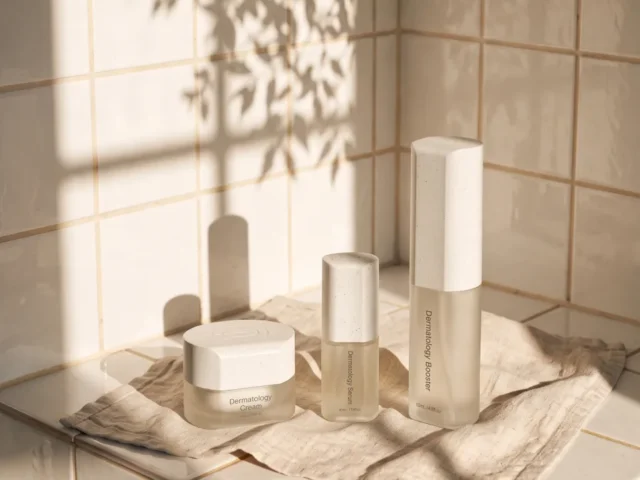
When summer ends, your skin usually needs one thing before anything else: more moisture retention, not more actives. That’s the core of a smart transition season skincare shift — you’re not rebuilding a routine, you’re upgrading a few key steps so your barrier keeps up with drier air.
Timing the switch
When should you actually start changing your skincare?
Start when the air changes, not the calendar. If mornings feel crisp, indoor heating kicks on, or your usual moisturizer stops feeling like “enough” by mid-day, that’s your cue — usually late August through September in most temperate climates.
Signs your skin is asking for the switch:
- Cheeks feel tight 10-20 minutes after cleansing.
- Foundation clings to small dry patches around the nose or mouth.
- Fine lines look more visible, especially under the eyes.
- Your lightweight gel moisturizer disappears too fast.
If none of those are happening, don’t force a change. Rotating products for the sake of “fall vibes” is how sensitized skin starts.
The first swap
What is the single most important thing to change first?
Your moisturizer. A slightly richer, more occlusive cream is the highest-impact single swap for transition season, because it directly addresses the drop in ambient humidity.
You don’t need a heavy winter balm yet. Think mid-weight — something with a mix of humectants (glycerin, hyaluronic acid, panthenol) and light emollients (squalane, ceramides, shea). Korean “cream” textures like Beauty of Joseon’s Dynasty Cream or Round Lab’s Birch Juice Moisturizing Cream sit in this sweet spot: cushiony but not greasy, layerable under SPF.
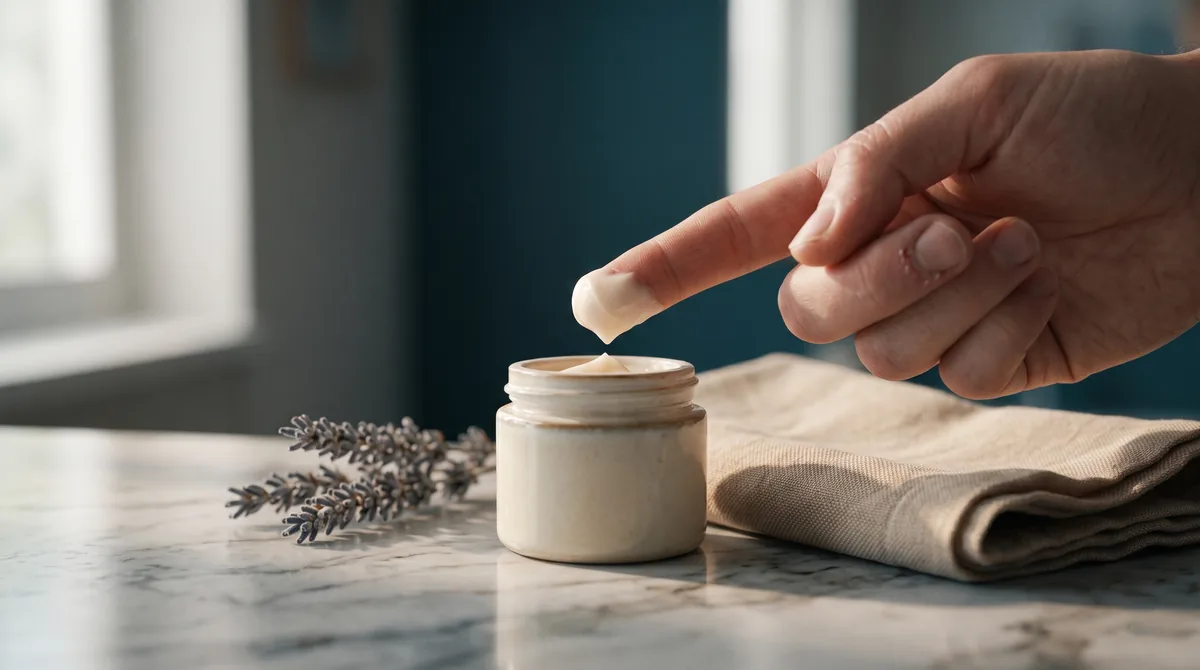
How to use it: apply to slightly damp skin (right after toner or essence) to trap that water layer. AM and PM. If your skin is combination, use a thinner layer over the T-zone and a fuller layer on cheeks — no rule says you have to use the same amount everywhere.
Skip if: you’re oily and your summer moisturizer still feels comfortable at 3 pm. Adding richness you don’t need is a fast track to congestion.
Cleanser & toner
Should you change your cleanser and toner too?
Yes — but only if your current pair leaves skin tight or squeaky. That “clean” feeling is actually a stripped acid mantle, and it becomes a real problem when the air gets drier.
Compare the common transition-season swaps:
| Step | Summer pick | Fall-friendly swap | Why |
|---|---|---|---|
| Cleanser | Foaming gel, pH 6+ | Low-pH gel or cream cleanser (pH ~5.5) | Preserves the acid mantle and lipids |
| Toner | Astringent or BHA toner daily | Hydrating toner (glycerin, HA, panthenol) | Refills water lost during cleansing |
| Essence | Optional | 1 layer, patted in | Buffers actives, boosts moisturizer |
Good, widely available examples: COSRX Low pH Good Morning Gel Cleanser (a low-pH classic — see the official brand site for the current INCI list), Anua Heartleaf 77 Soothing Toner for sensitized skin, and Beauty of Joseon Glow Serum as a beginner essence layer.
Honest limit: these are gentle, not “treatment” products. If you’re chasing texture, hyperpigmentation, or acne, the cleanser and toner won’t move the needle — the actives will.
Actives & sunscreen
What about retinol, acids, and SPF in the fall?
Fall is actually the easiest season to introduce or increase retinoids and exfoliating acids, because lower UV and less sweat make irritation more tolerable. But sunscreen stays a non-negotiable AM step — UVA doesn’t take a holiday.
A calm transition plan looks like this:
- AM: low-pH cleanser (or water rinse) → hydrating toner → antioxidant serum (vitamin C, niacinamide, or a K-beauty “glow” essence) → mid-weight moisturizer → SPF 30-50 PA++++.
- PM: oil or balm cleanser → low-pH cleanser → hydrating toner → active (retinal, retinol, or a 2-3x/week AHA/BHA) → richer moisturizer.
Rules that actually matter:
- Introduce one new active at a time, at least 2 weeks apart.
- If you add retinol, drop your acid frequency until skin adjusts.
- If skin stings, buffer: apply moisturizer first, then the active on top.
Skip if: your skin is currently reactive, peeling, or you just got a treatment. Repair first, then reintroduce actives.
Who this suits
Who should follow this transition — and who can skip it?
This routine suits normal-to-dry, combination, and dehydrated skin in temperate climates where fall genuinely arrives. It’s also a good template for anyone in air-conditioned or heated offices year-round.
You can largely skip a transition if:
- You live in a consistently warm, humid climate (Singapore, coastal Southeast Asia).
- Your current summer routine already leaves skin comfortable at 6 pm with no tightness.
- You’re mid-treatment (post-procedure, prescription retinoid ramp-up) — stay the course your derm set.
Curated, tested, and explained — so you can build a routine you’ll actually keep. That’s the point of a transition: fewer, better swaps, not a full overhaul.
Frequently Asked Questions
Q. Do I really need a different moisturizer for fall?
A. Not always — but if your summer gel stops feeling sufficient by afternoon, a mid-weight cream with ceramides and glycerin usually solves it in a few days.
Q. Can I keep using my vitamin C serum in fall and winter?
A. Yes. Antioxidants like vitamin C pair well with SPF year-round; you may just want to layer a richer moisturizer over it.
Q. Is a 10-step Korean routine necessary for the transition?
A. No. Most people do well with 5-7 steps: cleanse, hydrating toner, essence or serum, moisturizer, and SPF in the morning; add an active at night.
Q. When should I introduce retinol?
A. Fall is a good window because UV and sweat are lower. Start 1-2 nights a week, buffered with moisturizer, and build up slowly.
Q. My skin is oily — do I still need to change anything?
A. Maybe just your cleanser and toner. Oily skin can still be dehydrated, and a low-pH cleanser plus a hydrating toner often reduces mid-day shine, not increases it.
The honest verdict: transition season skincare is less about buying new products and more about noticing what your skin is telling you and adjusting one step at a time. Change your moisturizer first, protect the barrier, and treat actives as a slow reintroduction — not a race. Results vary, this is educational and not medical advice, and the best routine is the one you’ll actually keep using in November.