If you’ve been waiting to try retinol, starting retinol in autumn is a sensible move. Shorter days and cooler air lower UV pressure and cut the dryness that makes many new users flake and quit. This guide walks you through the why, a beginner schedule, the sandwich method, sun rules, and a few Korean formulas that tend to be kind to first-timers.
Why autumn wins
Why is autumn a good time to start retinol?
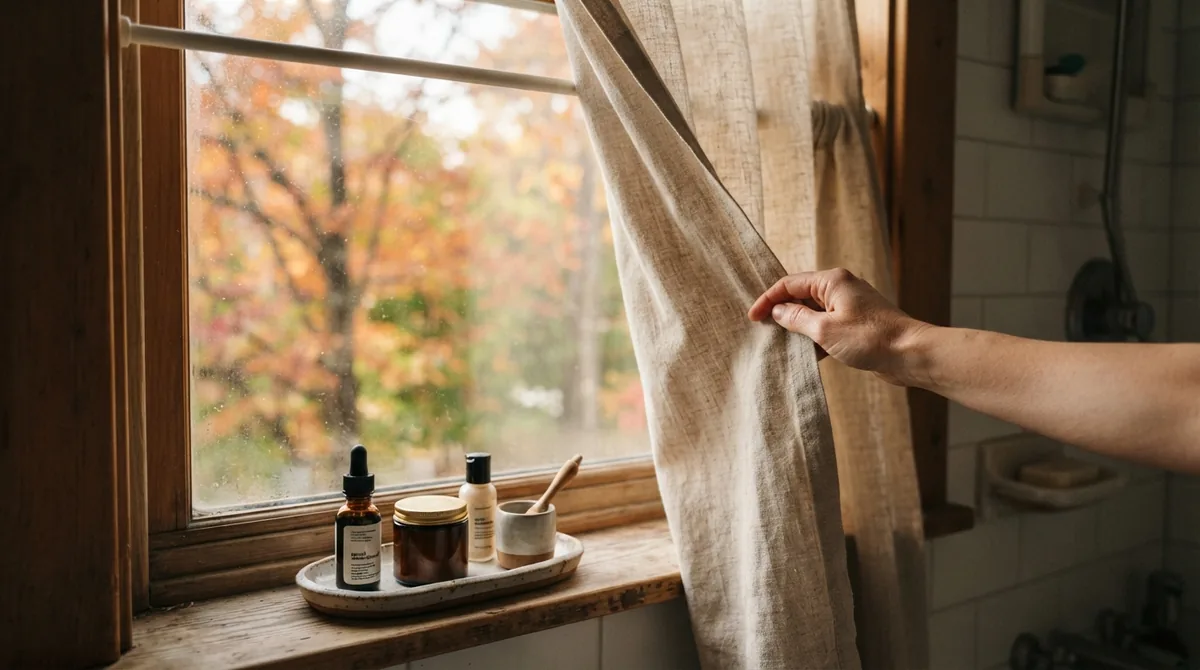
Autumn is a good time to start retinol because ambient UV eases and the barrier is less stressed by heat and sweat, so any purge and peeling are less punishing. Retinol accelerates cell turnover, which briefly thins the outermost dead layer and makes skin more reactive to sun — a smaller UV load in fall gives your barrier room to adjust. You also get a runway: by the time next summer’s high-UV months arrive, your skin has usually settled and tolerated the active. Cooler indoor temperatures also mean less sweat and sebum, so the product tends to stay on the face instead of migrating.
Beginner schedule
How should a beginner start retinol — what percentage and how often?
Start at the lowest strength you can find (around 0.1-0.3% retinol, or a beginner-grade retinal), apply a pea-sized amount two nights a week for two to three weeks, then move to every other night. Ramp up only if there is no persistent stinging or flaking. A realistic 6-week plan looks like this:
| Weeks | Frequency | Notes |
|---|---|---|
| 1-2 | 2 nights / week | Pea-sized, PM only, on dry skin |
| 3-4 | 3 nights / week | Add sandwich method if tight |
| 5-6 | Every other night | Hold here for 4-6 weeks before increasing |
Skip the nights you use exfoliating acids (AHA/BHA), vitamin C serums, or benzoyl peroxide. If you get a stinging response, drop back one step; retinol rewards patience, not stacking.
Sandwich method
What is the retinol sandwich method and does it actually work?
The retinol sandwich method is a layering technique — moisturizer first, retinol next, moisturizer on top — designed to buffer irritation while keeping most of the active’s benefit. It’s especially useful for dry, reactive, or first-time skin. In practice: cleanse, pat dry, apply a plain hydrating moisturizer, wait one to two minutes, apply your retinol, then seal with a ceramide- or panthenol-rich cream. You may lose a small amount of potency compared to a bare application, but you gain compliance — and compliance is what makes retinol work over months, not days. If your skin is already oily and resilient, you can skip the first layer and go moisturizer-on-top only.
Sun rules
Does retinol really make you sun-sensitive?
Yes — retinol can meaningfully increase sun sensitivity, and that heightened reactivity can persist for a period after you stop using it. That’s why dermatology groups such as the American Academy of Dermatology consistently pair retinoid guidance with a daily broad-spectrum SPF 30+ recommendation. Practical rules for the season:
- Apply retinol at night only, never in the morning.
- Wear SPF 30+ every day, even on overcast autumn mornings — UVA passes through clouds.
- Reapply sunscreen if you’re outside more than two hours.
- If you have a beach day or long outdoor plans, skip retinol the night before and the night of.
Korean picks
Which Korean retinol products are good for beginners?
Look for low-percentage retinol or a gentle retinal, paired with barrier ingredients like panthenol, madecassoside, or ceramides — that’s the K-beauty signature. A few widely available formulas beginners tend to tolerate well:
- COSRX The Retinol 0.1 Cream — the lowest tier in COSRX’s step-up line; cream texture, pairs with their 0.3 and 0.5 later.
- Beauty of Joseon Revive Serum: Ginseng + Retinal — a low-dose retinal with ginseng root extract; light, layerable.
- Some By Mi Retinol Intense Advanced Triple Action Cream — an entry-level retinol paired with bakuchiol and centella-adjacent soothers.
Always check the current INCI list on the brand’s official page (a neutral database like INCIDecoder is useful for cross-checking) since formulas do get reformulated. As an honest limit: I’ve curated these based on published formulas and beginner-friendliness, not a personal wear-test on this post — my hands-on notes get added at review time.
Frequently Asked Questions
Q. Can I start retinol in summer if I’m careful with sunscreen?
A. You can, but autumn is easier because lower UV and cooler air reduce the odds of irritation and post-inflammatory pigment. If you start in summer, expect a slower ramp and stricter SPF discipline.
Q. Retinol vs. retinal — which should a beginner pick?
A. Retinal (retinaldehyde) is one conversion step closer to retinoic acid, so a low-dose retinal can feel stronger than an equivalent retinol. Beginners with sensitive skin usually do best on 0.1-0.3% retinol first; more resilient skin can try a low-dose retinal.
Q. How long until I see results?
A. Texture and glow usually shift around 8-12 weeks of consistent use; fine lines and pigment take longer, often 3-6 months. Anyone promising overnight change is selling, not teaching.
Q. Can I use vitamin C in the morning if I’m on retinol at night?
A. Yes, that split is fine for most people and can be complementary. If your skin feels raw, drop vitamin C to every other morning while you adjust.
Q. Is bakuchiol a real alternative to retinol?
A. Bakuchiol is gentler and can help texture, but the evidence base is smaller and effects are milder. It’s a reasonable choice if retinol keeps irritating you, not a full replacement in potency.
Autumn gives you a calmer runway to introduce retinol: less UV, less heat, more room for your barrier to adapt. Start low, go slow, sandwich when you need to, and treat daily SPF as part of the retinol routine — not a separate chore. This is educational, not medical advice; results vary, and if you’re pregnant, breastfeeding, or on prescription retinoids, talk to a dermatologist first. Curated, tested, and explained — so you can build a routine you’ll actually keep.