If your skin feels warm and tight after a long day outdoors, panthenol and allantoin are the two quiet workhorses Korean after-sun products lean on. Panthenol pulls in water and supports the barrier; allantoin softens the rough, flaky feel that follows UV stress. Neither is flashy, and that’s the point — they calm without irritating.
What they are
What are panthenol and allantoin, exactly?
Panthenol is the alcohol form of vitamin B5; on skin it converts to pantothenic acid and behaves as a humectant and skin-conditioning agent. Allantoin is a small molecule (originally isolated from comfrey, now made synthetically for consistency) used as a soothing, keratolytic conditioning agent. Both are cosmetic ingredients, not drugs — think comfort and barrier support, not treatment. You can cross-check either on a public INCI reference like INCIDecoder’s panthenol page and allantoin page.
In Korean formulas, panthenol usually sits in the top third of the ingredient list at roughly 1-5%, and allantoin often appears lower at 0.1-0.5% (its typical use range). That’s why they read as gentle: the doses are modest, and they play well with humectants like glycerin and hyaluronic acid.
Why after-sun
Why do Korean after-sun products rely on them?
Because K-beauty after-sun leans on comfort, not correction. After UV exposure your skin is dehydrated and reactive; the goal is to rehydrate, cushion the barrier, and buy time for it to settle. Panthenol handles the hydration and barrier-feel; allantoin smooths the sandpaper texture that shows up a day or two later.
You’ll see this pairing across categories — soothing gels, centella creams, cica ampoules, sheet masks marketed for summer. The formulas usually add centella asiatica extract or madecassoside, but panthenol and allantoin are the steady base most brands come back to.
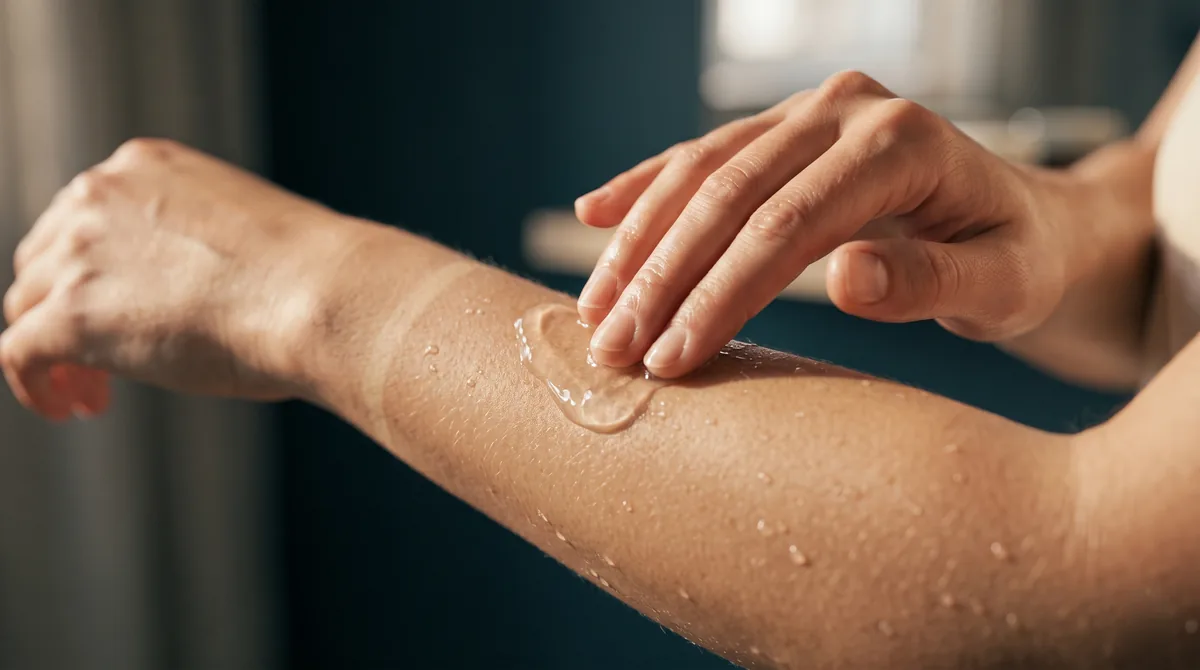
Panthenol vs allantoin
Panthenol vs allantoin: which does what?
Short version: panthenol hydrates and cushions; allantoin softens and smooths. They’re complementary, not interchangeable, which is why you often see them together.
| Trait | Panthenol | Allantoin |
|---|---|---|
| Type | Humectant, skin conditioner | Skin conditioner, keratolytic |
| Feel it delivers | Plump, cushioned, hydrated | Smoother, less flaky surface |
| Typical use range | ~1-5% | ~0.1-0.5% |
| Best for | Tight, dehydrated, post-sun skin | Rough, flaky, reactive skin |
| Trade-off | Can feel slightly tacky at higher % | Very low use rate; effects are subtle |
If your after-sun problem is tightness, prioritize panthenol. If it’s flaky roughness a couple of days later, allantoin earns its place. Most days, you want both.
How to use
How do you use them in a routine?
Keep it minimal on a sun day. In the evening, cleanse with a low-foam or oil-to-milk cleanser, then apply a panthenol/allantoin-forward toner or ampoule to slightly damp skin, and seal with a bland moisturizer. Skip retinoids, exfoliating acids, and vitamin C for 24-48 hours — your skin is busy repairing, and actives will only sting.
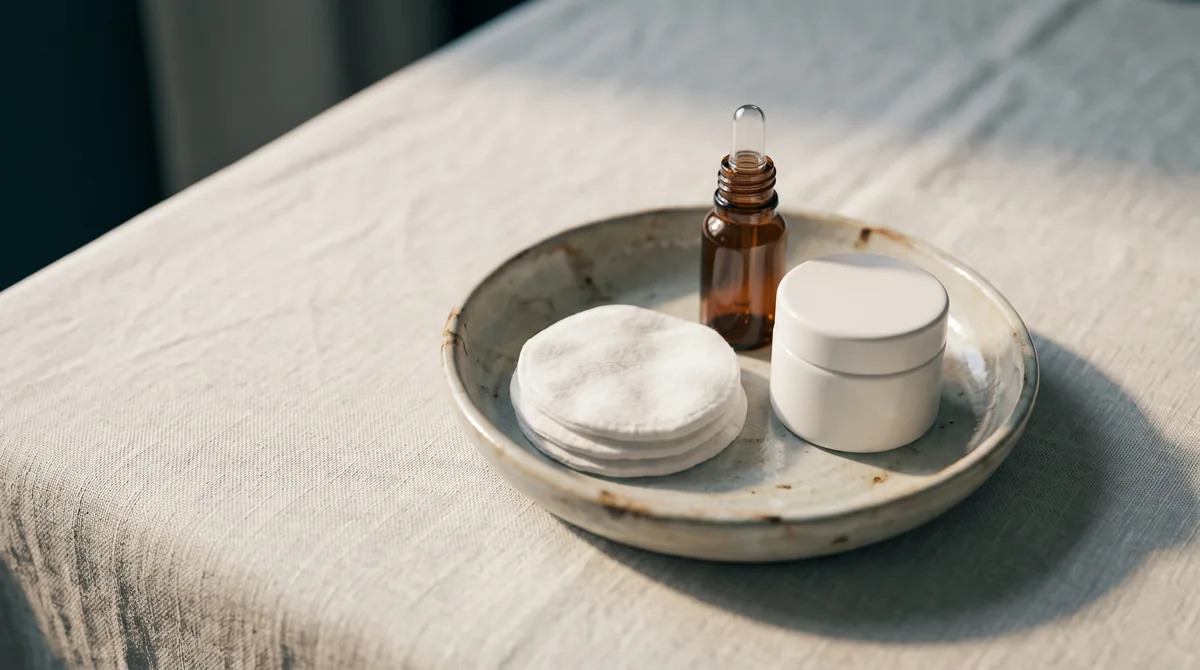
A workable post-sun PM routine:
- Gentle cleanser
- Hydrating toner (glycerin + panthenol on the INCI list)
- Soothing ampoule (panthenol + allantoin + centella)
- Bland moisturizer (ceramides, squalane)
- Optional: sleeping mask if skin still feels tight
In the morning, keep it just as simple, and reapply broad-spectrum sunscreen. That’s the whole plan.
Who should skip
Who should skip, and when is it not enough?
If you have a true sunburn — blistering, peeling in sheets, fever, chills — this is a medical situation, not a skincare one. See a clinician. Panthenol and allantoin are cosmetic soothers; they’re not treatments for burns, and no serum will replace proper medical care.
Also skip if you’ve reacted to a specific formula in the past. These two ingredients are widely tolerated, but any product carries other actives, fragrances, or extracts that your skin may not like. Patch-test a new after-sun product on your inner arm for a day before putting it on a warm, sensitized face.
Frequently Asked Questions
Q. Are panthenol and allantoin safe for sensitive skin?
A. Both are generally considered well-tolerated at cosmetic use rates and are commonly used in products aimed at sensitive skin. Patch-test any new formula, since other ingredients in the product can still cause reactions.
Q. Can I use panthenol and allantoin every day, not just after sun?
A. Yes. They’re mild enough for daily use in toners, ampoules, and moisturizers, and they layer well with most other ingredients, including sunscreen in the morning.
Q. Do panthenol and allantoin treat sunburn?
A. No. They can make sun-stressed skin feel more comfortable and hydrated, but they don’t treat a true burn. For blistering, peeling, or systemic symptoms, see a clinician.
Q. Can I layer them with retinol or vitamin C?
A. On normal days, yes — panthenol and allantoin can actually cushion the sting of stronger actives. On a day your skin is heat-flushed or post-sun, pause the actives for 24-48 hours.
Q. What percentage should I look for on the label?
A. Brands rarely publish exact percentages, but panthenol appearing in the top third of the INCI list and allantoin listed at all is usually a good sign. Typical use ranges are ~1-5% for panthenol and ~0.1-0.5% for allantoin.
The verdict: panthenol and allantoin are the reason so many Korean after-sun products feel calm without doing much. Panthenol hydrates and cushions the barrier; allantoin softens the rough aftermath. They’re educational picks, not medical ones — great for tight, reactive, post-sun skin, and no substitute for a doctor when a real burn happens. Curated, tested, and explained — so you can build a routine you’ll actually keep, especially in summer, when doing less is usually the right answer.