When people kept telling me Incellderm was special, I shrugged. Korean shelves are full of centella creams, so I didn’t see what one more could do differently. Then I tried the cream, and it felt nothing like anything I’d used before. That sent me to the ingredient list, and the ingredient list is why a nice texture turned into five years of loyalty.
This post decodes that list. Two choices set Incellderm apart from most centella skincare: what it uses in place of water, and which centella it grows. Neither one is magic, and I’ll point out where the marketing gets ahead of the evidence. Both are real differences, though, and you can check them yourself on the box.
Reading an INCI list
The first ingredient tells you what a product is built on
Cosmetic ingredient lists (the INCI list on the back of the box) run in descending order of concentration. Whatever sits in the first slot usually makes up most of the formula, so it’s the product’s base. In most moisturizers, toners and serums that base is Water, Aqua or “purified water”. There’s nothing wrong with that, because water is the solvent everything else dissolves in.
One rule makes ingredient lists less straightforward than they look. In both the EU and Korea, ingredients present at 1% or less can be listed in any order. So “Centella Asiatica Extract” in sixth place could be a meaningful amount, or it could be a pinch that sits high on the list only because the brand chose to put it there. The first ingredient doesn’t have that problem. It’s the one position on the label that you can’t game.
Say you pick up two cica creams. The first reads Water, Glycerin, Butylene Glycol… Centella Asiatica Extract. The second opens with Centella Asiatica Leaf Water. Both are sold as “centella creams”, but only the second one uses centella as its base.
Centella water vs purified water
Incellderm swaps purified water for centella water
Older Incellderm formulas list Centella Asiatica Leaf Water first. On the renewed line, the brand calls its base “lava centella water”, which is centella combined with Jeju lava seawater. The exact INCI wording can differ between products and versions, so check the label on the box you’re actually buying.
A leaf water is a water-based preparation made from the plant. Instead of being inert, the solvent carries some of the plant’s own compounds. You should be realistic about strength, though. A plant water is gentler and less concentrated than a dedicated extract, so think of it as a centella-infused base rather than a treatment-strength dose. Its real advantage is that centella is in every layer of the formula from the start, not added later as a single ingredient.
The lava seawater is the second half of the story. According to RIMAN, Jeju lava seawater has filtered through the island’s volcanic basalt layers for around 400,000 years, losing heavy metals and picking up minerals along the way. The brand also reports that mercury, cadmium and microplastics were not detected when the water was tested. Minerals on the skin play a supporting role, so don’t expect them to do the heavy lifting. I care more about the purity testing. Water is the biggest share of almost any formula, so knowing the base has been checked for contaminants is reassuring.
Giant Centella, explained
Not every “cica” product uses the same centella
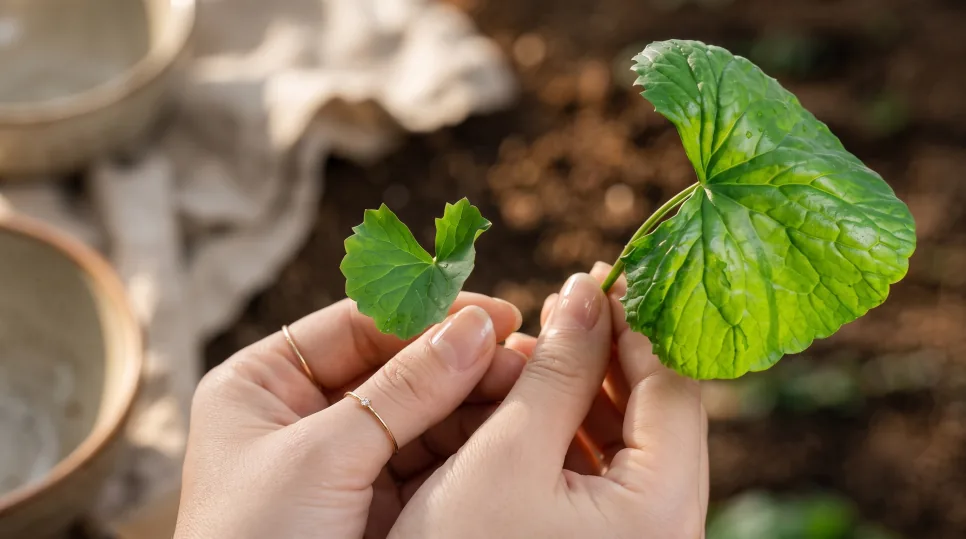
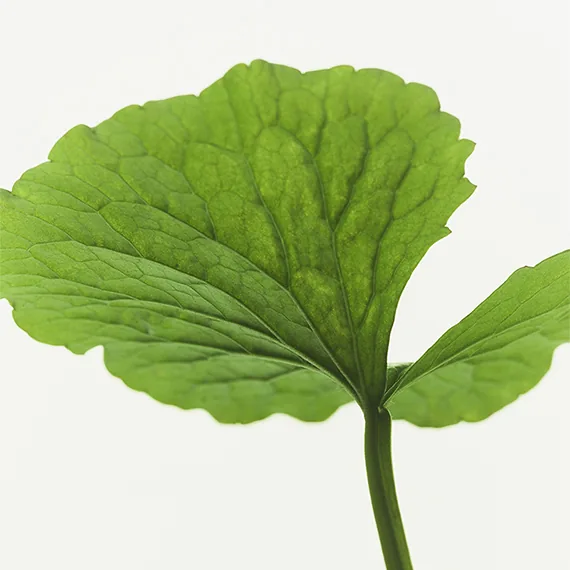
Centella asiatica is also called gotu kola or tiger grass, and K-beauty usually shortens it to “cica”. Its best-known compounds are madecassoside, asiaticoside, madecassic acid and asiatic acid. In skincare, they’re valued for a calm, comfortable feel and for supporting a stressed moisture barrier. That’s why centella shows up in so many products aimed at sensitive or easily flushed skin.
The catch is that “centella product” can describe very different raw materials:
- Dried centella, which is cheaper and easier to store, but it’s no longer fresh plant material.
- Small, ordinary fresh centella, the standard plant.
- A token amount, added mainly so the box can say “centella” on the front.
Incellderm uses Giant Centella™, a variety RIMAN developed itself. As the name says, it’s a much bigger plant. In the brand’s data, Giant Centella has about twice the leaf area and twice the biomass of the centella in RIMAN’s pre-renewal products. The data also reports higher polyphenol and flavonoid content, including an 81% increase in polyphenols. Polyphenols and flavonoids are antioxidant plant compounds, so more of them means a richer raw material.
Keep one thing in mind with numbers like these. They measure the plant and its extract in a lab, not results on anyone’s face. A better raw material is a real advantage. How much of that advantage reaches your jar depends on the rest of the formula.
Grown in Jeju
RIMAN grows its own centella on a smart farm
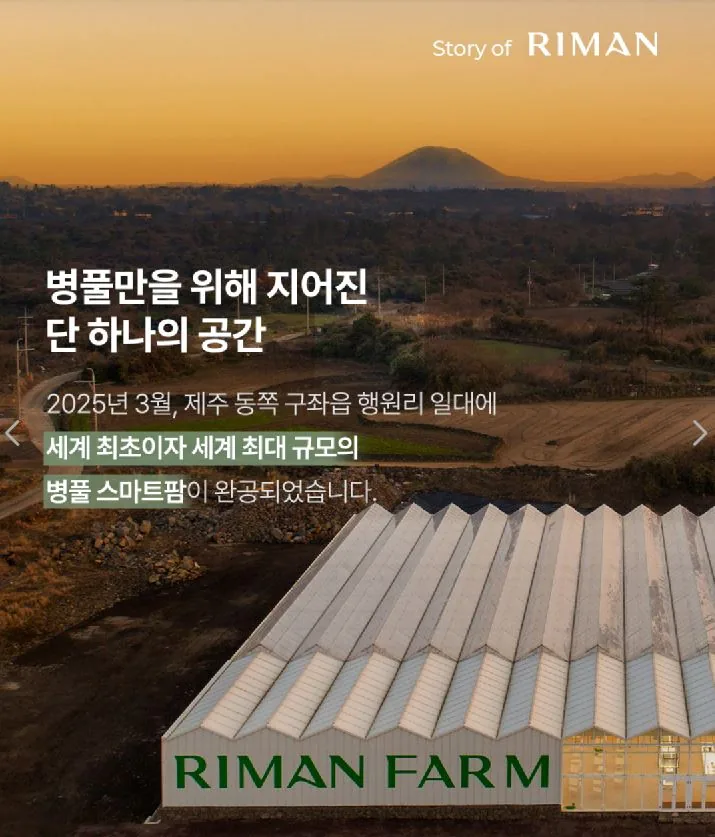
Giant Centella is 100% Korean-grown, raised under controlled conditions on RIMAN’s own smart farm. According to the brand, the farm in Gujwa-eup on Jeju’s east side was completed in March 2025, and RIMAN describes it as the world’s first and largest centella smart farm.
Growing its own centella matters more than it sounds. Plant ingredients vary with season, soil and harvest timing, and that’s how two batches of the same cream end up feeling slightly different. When a brand controls the growing conditions itself, it can keep the raw material consistent in a way that brands buying centella on the open market can’t. You won’t see this on the label, but it explains why the brand talks so much about its centella.
What impressed me most is how far RIMAN takes this one ingredient. The same Giant Centella runs through:
- ICD skincare: the Dermatology serum, booster and cream, and the Radiansome toner, essence and cream
- Botalab body care: body wash, body cream, hand wash, hand cream, feminine wash and toothpaste
- Lifening supplements: a probiotic, a beauty collagen, an energy shot and a fit shake
- Household basics: roll tissue and wet wipes
Few brands use a single raw material across their whole range like this. If you start with the skincare and like how it feels, the body and hand care is the easiest next step, since it’s the same centella in products you use every day.
My honest backstory
I wasn’t a skincare person until one cream
I’ll admit it: I never cared much about skincare. I tried an Incellderm cream more or less by accident, and it felt so different that it caught me off guard. My first thought was “what is in this?”, and that question led me to the ingredient list. The ingredient list led to everything I’ve covered in this post.
The more I learned about the raw materials, the more I trusted them. My own skin’s response came first, and understanding the ingredients came second. That order matters to me, because it means my recommendation is based on more than a press release.
Still, one point from my original notes is worth repeating. An expensive raw material doesn’t automatically make a product the best one for your skin, because skin differs from person to person. But choosing a product while knowing what’s in it is a very different decision from buying it on hype.
Routine and fit
How to use Incellderm, and who should skip it
The Dermatology line follows the classic Korean order of thinnest texture to thickest:
- Cleanse as usual.
- Booster. This is the toner step. Pat it in while your skin is still slightly damp.
- Serum. Press a small amount over your face.
- Cream to finish.
- In the morning, add SPF on top. No moisturizer replaces sunscreen.
Incellderm is the one to try if you like centella’s calm, comfortable feel and want a routine built around one ingredient family from start to finish. The base-ingredient approach suits people who read labels and want the plant in every step, not just in the product’s name.
Skip it if your current budget cica cream already keeps your skin comfortable. A centella base is a refinement, not a necessity, so you don’t need to replace something that works. If centella’s soothing compounds are all you’re after, there’s a cheaper option: look for madecassoside or Centella Asiatica Extract near the top of an ingredient list. And if you’ve reacted to centella before, which is uncommon but does happen, patch-test on your jawline for a few days before using it on your whole face.
Frequently Asked Questions
Q. Is centella the same thing as cica?
A. Yes. "Cica" is the K-beauty nickname for products built around Centella asiatica, and the ingredient list will name the plant itself.
Q. Can I layer Incellderm with retinol or vitamin C from other brands?
A. Yes. Centella is mild and layers easily. Use retinol at night and vitamin C in the morning, and add only one new product at a time so you can tell what your skin is reacting to.
Q. Is a plant water stronger than a plant extract?
A. No. A leaf water is a gentler base, and an extract is a more concentrated ingredient added in smaller amounts. They do different jobs, so a formula can include both.
Before you buy anything new, take your current moisturizer and read its first five ingredients. Once you know what your products are built on, I can help with the rest: curated, tested and explained, so you can build a routine you’ll actually keep.