If you want a korean sunscreen review that skips the hype, here’s the short version: the best daily Korean SPF for most people is a lightweight, alcohol-free chemical or hybrid SPF50+ PA++++ with no white cast and a texture you’ll actually reapply. That last part — reapplication — matters more than any single “holy grail” pick.
Why Korean SPF
Why is Korean sunscreen considered lightweight and cast-free?
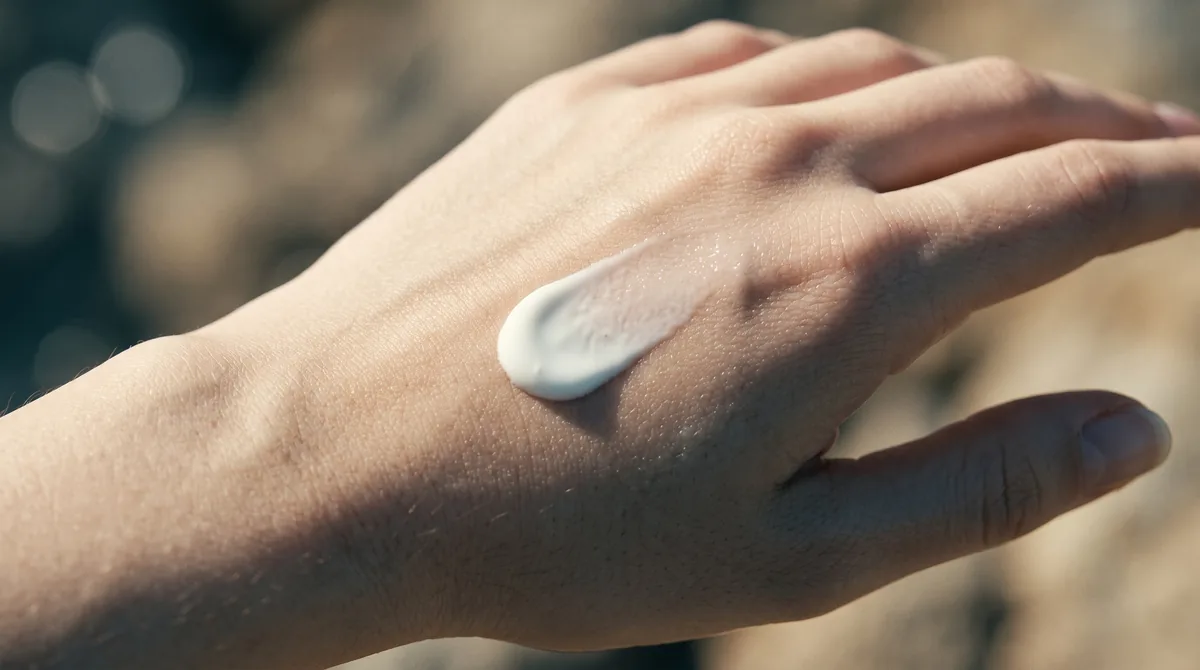
Korean sunscreens are considered lightweight because most use newer chemical or hybrid UV filters like Uvinul A Plus, Tinosorb S, and Uvinul T 150 — filters approved in Korea and the EU but not yet in the US. These absorb UV efficiently at low concentrations, so the formula can stay thin and skip the heavy mineral finish that leaves a white cast.
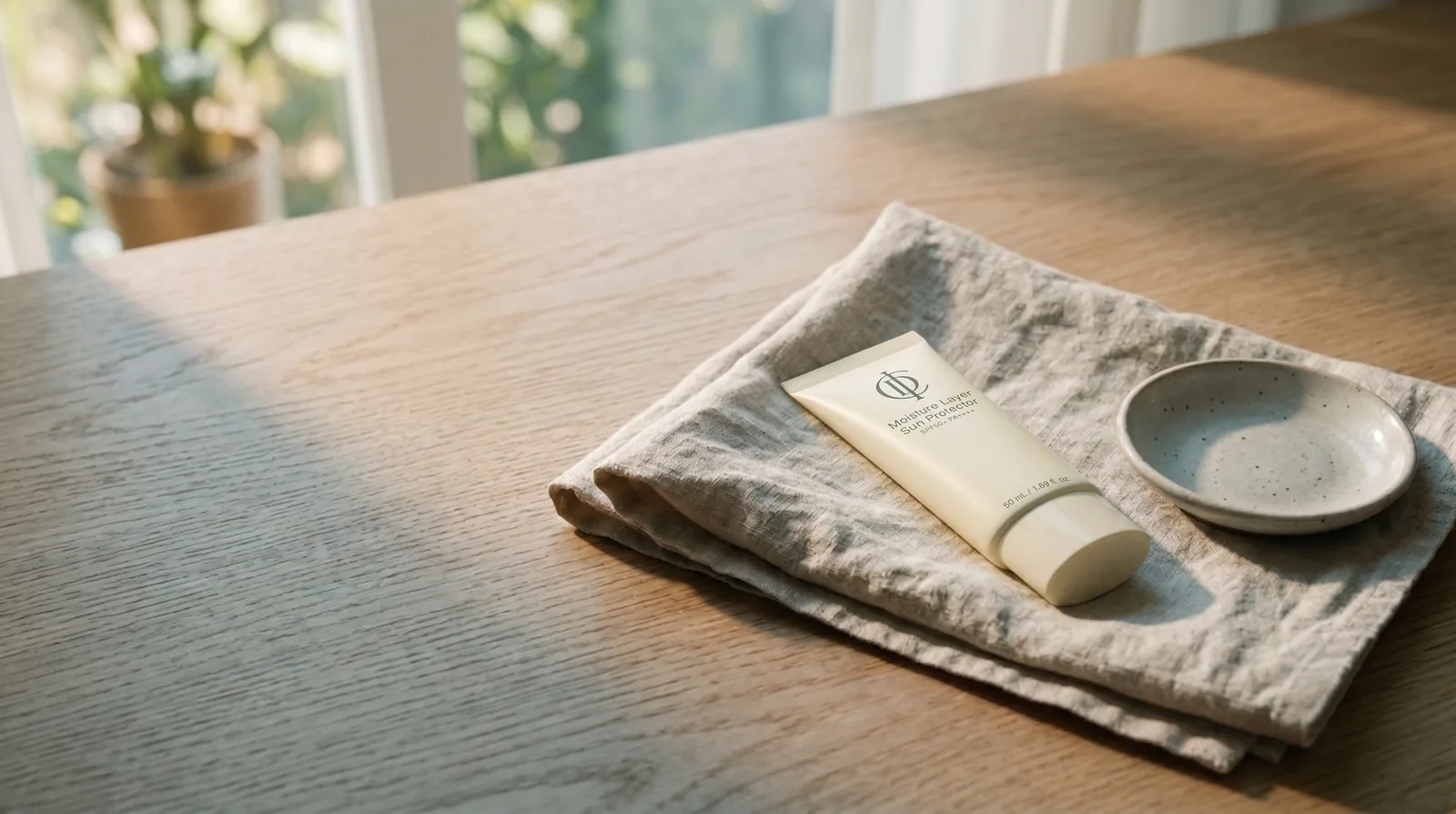
In practice this means a watery essence or milky lotion texture that sinks in within a minute. Per most brand pages, a typical tube is around 50 ml and priced $18-$30 — a sensible daily driver rather than a splurge.
Verdict and picks
Which Korean sunscreens actually deliver no white cast?
Based on published INCI lists and widely reviewed formulas, three categories reliably deliver a cast-free finish: watery essences (e.g. Beauty of Joseon Relief Sun), fluid gels (e.g. Round Lab Birch Juice Moisturizing Sunscreen), and milky-fluid hybrids (e.g. Isntree Hyaluronic Acid Watery Sun Gel). Confirm shade behavior against your own skin tone rather than a swatch photo.
| Type | Best for | Typical size / price | Trade-off |
|---|---|---|---|
| Watery essence | Normal to dry, medium-deep tones | ~50 ml / $16-$20 | Some contain fragrance |
| Fluid gel | Combination, sensitive | ~50 ml / $18-$22 | Can feel slightly tacky in humidity |
| Milky hybrid | Oily, acne-prone | ~50 ml / $20-$28 | Often includes niacinamide, may not suit reactive skin |
Cross-check the INCI list on the brand’s official page — batch reformulations happen, and older reviews may reference a different formula.
How to wear it
How do you use a Korean sunscreen in a daily routine?
Apply it as the last step of your AM routine, after moisturizer and before makeup. Use roughly two finger-lengths for face and neck (about 1/4 teaspoon for the face alone) — under-applying is the single most common reason a sunscreen “doesn’t work.”
Wait about a minute for the film to set before layering foundation or SPF-containing base makeup. For reapplication every 2 hours outdoors, a stick or cushion sunscreen over makeup is more realistic than reapplying a liquid.
Skin-type fit
Which Korean sunscreen is best for oily skin vs. dry skin?
For oily or acne-prone skin, look for a lightweight korean sunscreen review favorite with a gel or fluid texture and matte-satin finish — often labeled “watery,” “fluid,” or “aqua.” For dry skin, a milky essence with glycerin, panthenol, or hyaluronic acid high in the INCI list adds comfort without a heavy feel.
Sensitive or reactive skin should avoid formulas leading with denatured alcohol (Alcohol Denat.) high on the INCI, and skip fragrance where possible. A fragrance-free hybrid formula is the safest starting point.
Honest limits
What Korean sunscreen can’t do
Sunscreen reduces UV damage; it doesn’t erase existing pigmentation, prevent all photoaging, or replace a hat and shade at midday. This is educational, not medical advice — results vary, and any pigmentation or breakout concern is worth a dermatologist’s input.
Also worth naming: many Korean SPFs are not yet sold with FDA-approved filters in the US, so buying from a reputable retailer with clear expiration dates matters. Check the PAO symbol (usually 12M) once opened.
Frequently Asked Questions
Q. Do Korean sunscreens really have no white cast?
A. Most modern Korean SPFs use next-generation chemical or hybrid filters, so the finish is largely invisible on medium and deep tones. Mineral-heavy Korean sunscreens can still cast — check the filter list, not just the label.
Q. Is SPF50+ PA++++ overkill for daily indoor use?
A. No — the "+" ratings tell you the ceiling of protection, not the mandatory dose. SPF50+ PA++++ simply gives more headroom when you under-apply, which most people do.
Q. Can I use a Korean sunscreen over makeup?
A. Reapplying a liquid over full makeup is messy; a Korean sunscreen stick or cushion refill is a cleaner option every 2 hours outdoors. Press, don’t rub.
Q. Are Korean sunscreens safe for sensitive skin?
A. Many are, especially fragrance-free hybrid formulas without high alcohol content. Patch-test behind the ear or on the jaw for 2-3 days before full-face use.
Q. How long does an opened tube last?
A. Most tubes show a 12M PAO symbol, meaning 12 months after opening. UV filters can degrade with heat, so store it out of direct sunlight.
The honest verdict: a good Korean sunscreen is the one you’ll actually reapply — lightweight, cast-free, and comfortable enough that reaching for it isn’t a chore. Match the texture to your skin type, confirm the INCI on the brand’s official page, and treat SPF as damage reduction, not a miracle. Curated, tested, and explained — so you can build a routine you’ll actually keep.