Centella asiatica skincare is a family of Korean products built around a soothing herb — used to calm redness, support a stressed barrier, and buffer irritation from actives like retinol or acids. If your skin flushes easily, stings after exfoliation, or feels reactive after a bad week, cica belongs in your routine. If your skin is already calm and your goals are firmly anti-aging or acne, you can safely skip it or use it only as a “rescue” step.
What it is
What is centella asiatica in skincare?
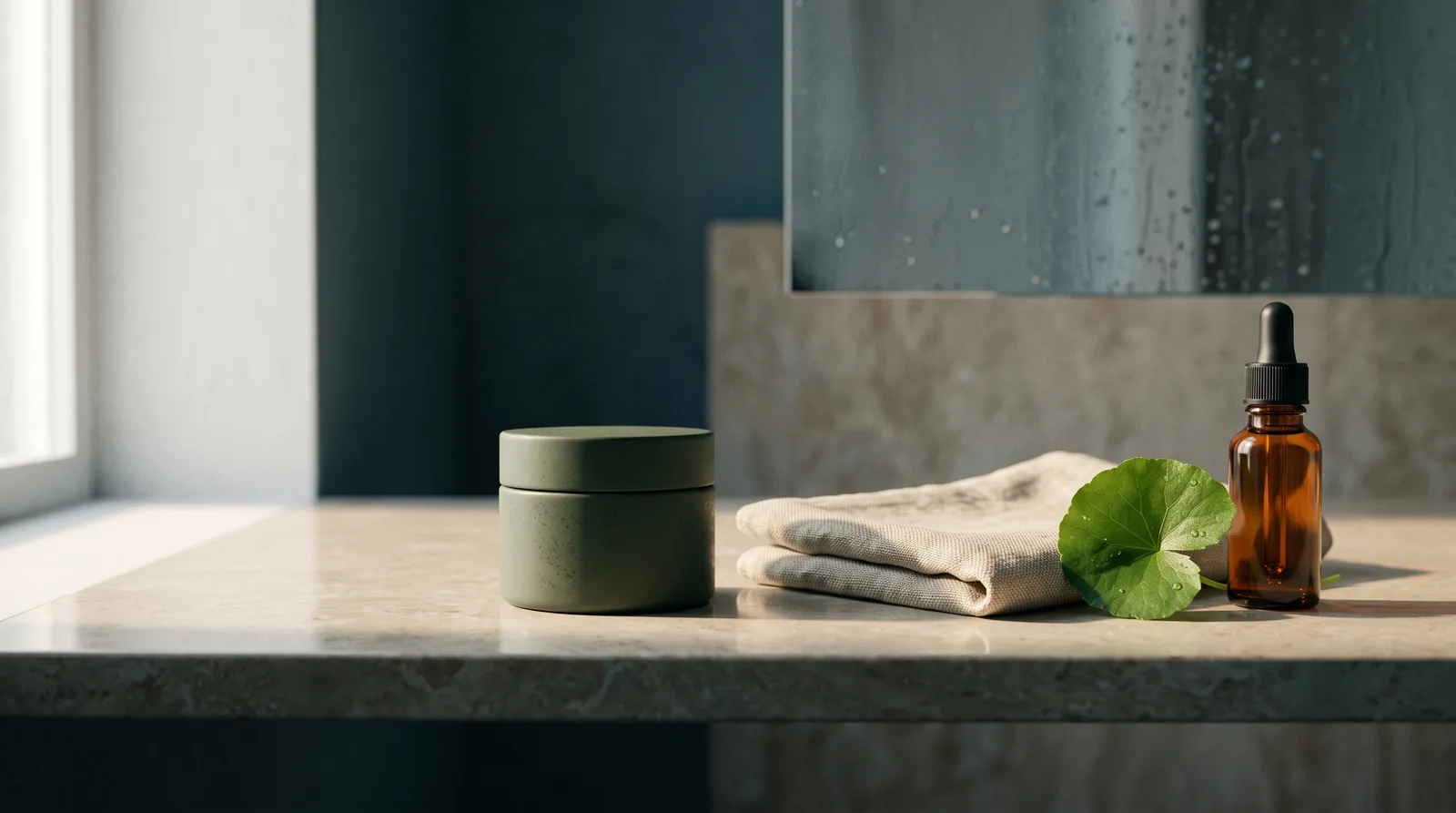
Centella asiatica is a small green herb (also called gotu kola or “tiger grass”) whose extract is used in Korean skincare to soothe and support the skin barrier. On INCI lists you’ll see it as Centella Asiatica Extract, Centella Asiatica Leaf Water, or as isolated actives — asiaticoside, madecassoside, asiatic acid, and madecassic acid.
The four isolated actives together are often labeled TECA (titrated extract of centella asiatica). Brands like Dr.Jart+ Cicapair, SKIN1004 Madagascar Centella, Purito Centella Green Level, and COSRX Centella Blemish line each lean on different ratios of these compounds. The category is cosmetic, not medical — think “calming and comforting,” not “curing.”
Who it suits
Who should actually use cica products?
Cica is a strong fit for sensitive, redness-prone, dehydrated, or barrier-compromised skin — and for anyone layering strong actives who needs a buffer step. If a niacinamide serum, AHA toner, or tretinoin routine leaves your skin feeling raw by week two, a cica cream or ampoule at night is the most useful add-on you can make.
It’s a weaker fit if your skin is already comfortable and your main concerns are wrinkles or active breakouts. Cica won’t fade pigmentation, resurface texture, or shrink pores — you’d want vitamin C, retinoids, or BHA for those. A quick fit check:
| Skin situation | Cica fit | Why |
|---|---|---|
| Reactive, flushed, stingy | Strong | Calms visible redness, supports barrier |
| Post-procedure or over-exfoliated | Strong | Comforts a compromised barrier |
| Oily-acneic, no sensitivity | Optional | Nice-to-have; not a treatment |
| Mature, anti-aging focus | Optional | Pair with retinol; cica is the buffer, not the fix |
| Calm, healthy, minimal routine | Skip | You don’t need it — save the shelf space |
How to use it
Where does centella fit in a Korean routine?
Cica works best as a mid-routine soothing layer: after your toner and hydrating essence, before your moisturizer and sunscreen. In a standard AM/PM order it lands as a serum/ampoule at step 3-4, or as the moisturizer itself at step 5.
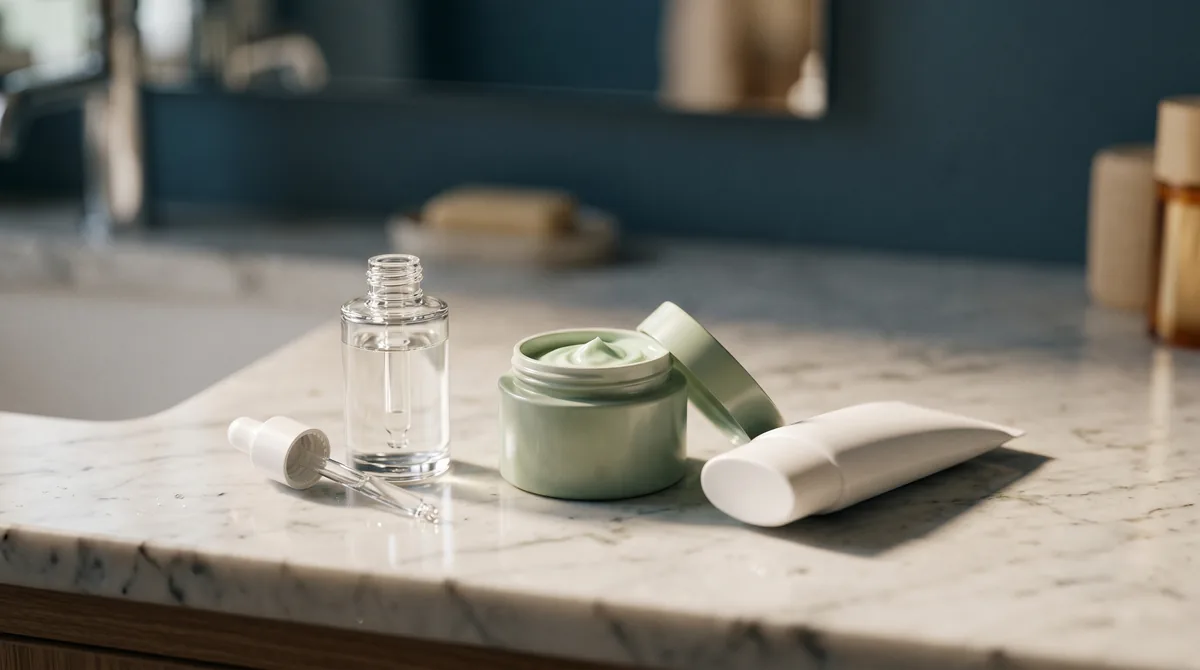
A minimal PM routine with cica looks like this:
- Gentle cleanser
- Hydrating toner (glycerin, hyaluronic acid)
- Centella ampoule or serum (leave 30-60 seconds to absorb)
- Moisturizer — a cica cream here doubles up if skin is very reactive
- Occlusive or sleeping mask (optional, dry-skin winters)
In AM, most people can use a lightweight cica gel or essence, then sunscreen. One honest caveat: full “tiger grass” green-tinted creams (like the original Cicapair) are correction products with pigment — great for redness camouflage, but they’re not the same thing as a plain cica serum, and they need thorough cleansing at night.
Ingredient nuance
Madecassoside vs. centella extract — what’s the difference?
Whole Centella Asiatica Extract is the full-herb ingredient — a mix of all four actives plus plant compounds; the exact concentration of each active varies by supplier. Madecassoside is a single isolated molecule, dosed at a known percentage (often 0.1-1% in Korean formulas), and it’s the gentlest of the four for reactive skin.
For very sensitive or rosacea-prone skin, look for madecassoside high on the INCI list (SKIN1004 Madagascar Centella Ampoule and Purito Centella Green Level Buffet Serum are common picks). For general barrier support and value, a whole-extract formula is fine and usually cheaper. Neither one is “better” — they’re tuned to different jobs.
Honest limits
What cica does not do
Cica calms and supports; it does not treat medical conditions or replace actives. It won’t clear cystic acne, fade sun spots, rebuild collagen, or cure eczema — those are jobs for a dermatologist or for targeted ingredients (benzoyl peroxide, tranexamic acid, retinoids, prescription creams). Framing matters: cica is educational skincare, not medical advice, and results vary.
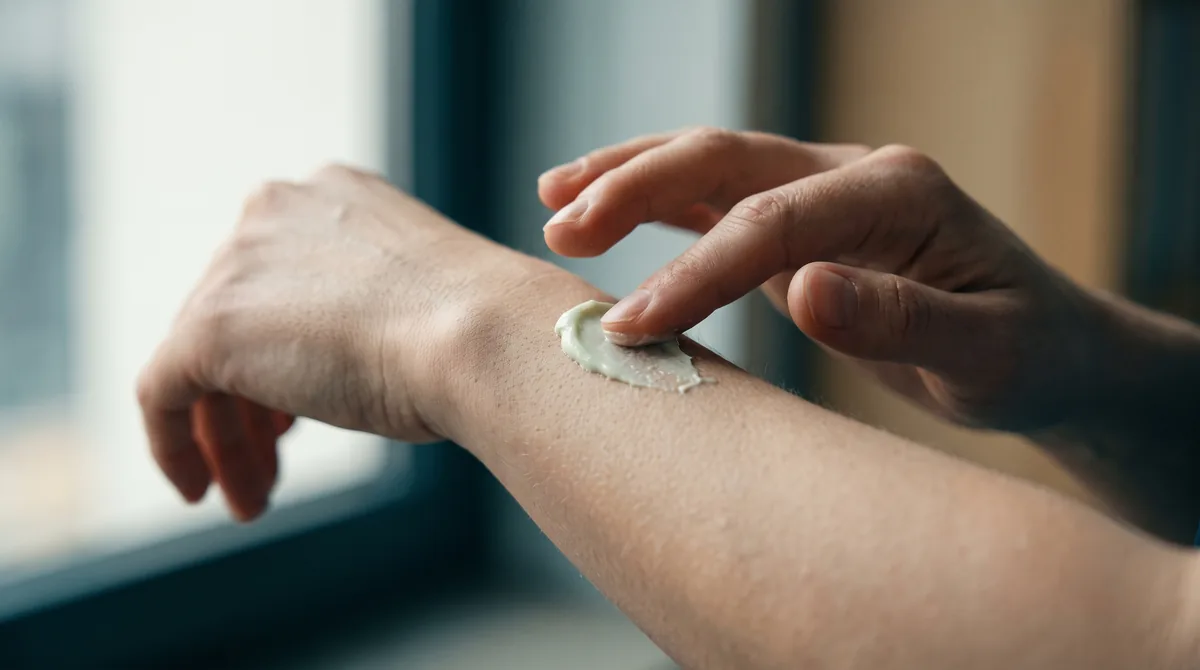
Two practical trade-offs to know. First, some cica creams are heavier than they look — panthenol and shea-based textures can pill under silicone sunscreens, so patch a small area under your SPF before committing. Second, “cica” has become a marketing bucket: a product can carry the name with only trace centella extract far down the INCI list. Check that a centella ingredient sits in the top third, or that a specific madecassoside percentage is disclosed.
Frequently Asked Questions
Q. Is centella asiatica skincare safe for daily use?
A. Yes — for most people, cica serums and creams are gentle enough for AM and PM daily use. Patch-test on the jawline for two nights if you’re highly reactive.
Q. Can I use cica with retinol or acids?
A. Yes, and it’s one of the best pairings. Apply your active first, wait a minute, then layer a cica cream on top to buffer irritation.
Q. Does cica help with acne scars?
A. It can soften post-acne redness (PIE) over weeks by calming inflammation, but it won’t fade brown post-acne marks (PIH) — that’s a job for vitamin C, niacinamide, or tranexamic acid.
Q. What’s a realistic price for a good cica product?
A. Per most Korean brand pages, effective options run roughly $12-30 for a 50-100 ml serum or cream (e.g., SKIN1004, Purito, COSRX). You don’t need to spend more.
Q. Is "tiger grass" the same as centella?
A. Yes — "tiger grass" is a common marketing name for centella asiatica, based on the folk story that tigers rolled in it to soothe wounds. It’s the same plant.
The short version: centella asiatica skincare is one of the most reliable soothing categories in K-beauty, and it earns its shelf space if your skin is sensitive, reactive, or being pushed by strong actives. If your skin is already calm, a cica product is a nice comfort — not a required step. Curated, tested, and explained — so you can build a routine you’ll actually keep. This is educational, not medical advice; results vary, and a dermatologist is the right call for persistent redness, eczema, or acne.